

“I've had multiple windshields put in by these guys now and they've always done a fantastic job! They are friendly, personable, on time, and most importantly do GREAT work! I recommend Affordable Auto Glass to everyone!”
| Monday: | 7:00 AM - 6:00 PM |
| Tuesday: | 7:00 AM - 6:00 PM |
| Wednesday: | 7:00 AM - 6:00 PM |
| Thursday: | 7:00 AM - 6:00 PM |
| Friday: | 7:00 AM - 6:00 PM |
| Saturday: | Closed |
| Sunday: | Closed |
Auto Glass Repair & Replacement Services in West Minneapolis

-

-
Affordable Auto Glass has been proudly providing the West Minneapolis community with quality auto glass repair and replacement services since 1982.
Our auto glass technicians are highly trained and certified. They utilize the latest skills, technology and the best equipment and materials to ensure that your vehicle's glass is repaired or replaced properly, the first time.
At Affordable Auto Glass we also offer mobile auto glass services, meaning we come to you!
Affordable Auto Glass technicians can diagnose if the glass damage can be repaired or if a replacement is needed. To determine if a repair is possible, the damage must be able to be covered by a quarter (coin). A typical repair takes less than 30 mins.
If you notice a chip, call Affordable Auto Glass of Hopkins, MN as soon as possible, in order to save money with a low-cost repair instead of a full windshield replacement. If we determine the glass can't be repaired, we'll be happy to give you a free quote on a windshield replacement.
We proudly serve the following local communities: Bloomington, Eden Prairie, Edina, Minneapolis, Minnetonka, Plymouth & Hopkins, MN
Call us today to discuss your auto glass need! (952) 933-0744
-
Our Services
Auto Glass Repair & Replacement Services in West Minneapolis
-
- Auto Glass Replacement
- Auto Glass Repair
- Windshield Replacement
- Windshield Repair
-
- Mobile Auto Glass Repair
- Rock Chip Repair
- Mobile Auto Glass Replacement
- Auto Glass Installation
-
- Scratch Repair/Removal
- Mirror Replacement
- Water Spot Removal
- And Much More!
-
-
Windshield Replacement Through Insurance
We Accept Most Insurance Plans
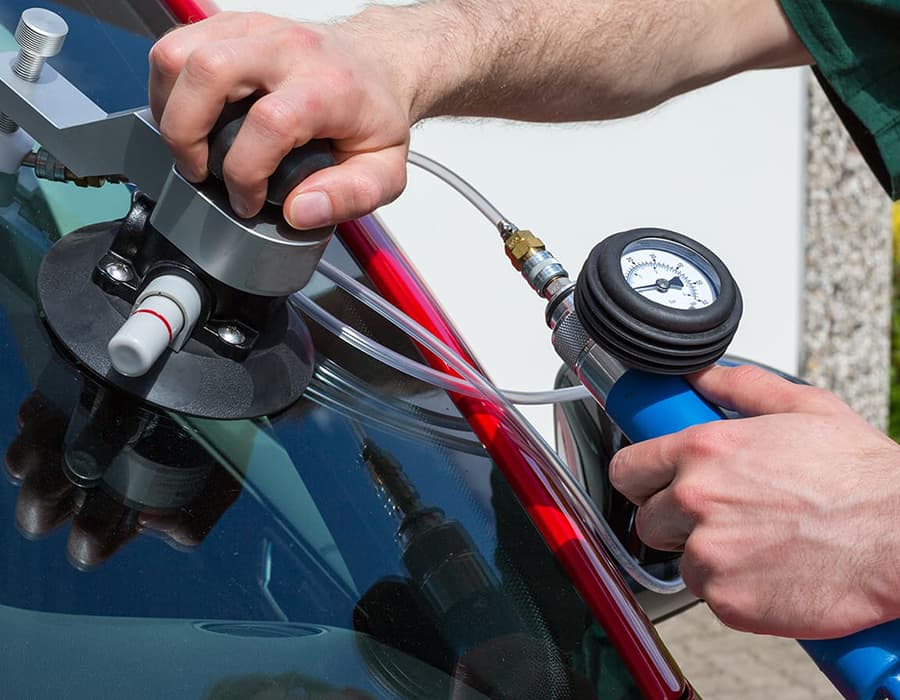
A chipped or cracked windshield? Affordable Auto Glass can help you explore your insurance options for auto glass repair or replacement. Depending on your policy and deductible, your service may be covered with little or no out-of-pocket cost.
Tell us about your vehicle, glass damage, and insurance provider. Our team will contact you to discuss coverage and arrange in-shop or mobile service.
Prefer to talk? Call (952) 933-0744.
Auto Glass & Windshield
Frequently Asked Questions
Get practical answers about rock chips, cracked windshields, repair versus replacement, insurance, appointment preparation, safe drive-away time, mobile service, commercial fleet glass, and caring for newly installed glass.
Is it safe to drive with a cracked windshield?
A small crack may not cause an immediate failure, but it can spread and reduce visibility or windshield strength. Avoid driving if the damage obstructs your view, reaches an edge, affects a camera area, or the glass is loose or badly fractured. Arrange an inspection promptly.
How do I know whether windshield damage can be repaired?
Repairability depends on size, depth, type, location, age, contamination, and whether the damage reaches the windshield edge or driver’s viewing area. A technician should inspect it because two chips that look similar may affect different glass layers.
Why do windshield chips turn into long cracks?
Temperature changes, road vibration, body flex, moisture, dirt, and impact stress can extend existing damage. Defrosters, slamming doors, potholes, and very hot or cold weather may accelerate spreading. Prompt repair gives a small chip the best chance of remaining repairable.
Does the size of a chip determine whether it can be repaired?
Size is important, but it is not the only factor. The technician also considers depth, location, number of impact points, edge proximity, contamination, and cracking. Damage that fits under a coin may still require replacement if it compromises a critical area.
Why is the windshield considered a safety component?
The windshield contributes to visibility, occupant protection, roof support, and proper airbag performance in many vehicles. It may also support cameras, sensors, mirrors, and displays. Correct glass selection, bonding, installation, and curing are therefore important.
How long does a windshield chip repair usually take?
Many straightforward repairs take about 30 minutes or less, but time varies with damage type, preparation, moisture, temperature, and access. The resin must be properly applied and cured before the technician finishes and checks the result.
How much appointment time should I allow for new windshield installation?
Installation time varies by vehicle, glass, trim, sensors, adhesive, weather, and calibration needs. The vehicle may also need to remain stationary for a safe drive-away period after installation. Ask for the expected appointment length and release time when scheduling.
What does safe drive-away time mean after glass replacement?
Safe drive-away time is the minimum curing period needed before the adhesive is expected to retain the windshield properly during normal driving. It varies with the adhesive, temperature, humidity, vehicle, and airbag configuration. Follow the installer’s specific release instructions.
Can rain damage fresh windshield adhesive?
Modern automotive urethane can often tolerate rain after proper installation, but products and conditions differ. Do not remove retention tape, wash the vehicle, or disturb seals earlier than instructed. Contact the installer if you notice water, wind noise, loose trim, or movement.
What types of replacement windshield glass are available?
Options may include original-equipment branded glass and aftermarket glass manufactured to applicable standards. The correct part must match the vehicle’s size, tint, sensor brackets, cameras, antennas, heating, acoustic layers, and other installed features.
Does insurance pay for windshield repair or replacement?
Coverage depends on the policy, cause of damage, comprehensive coverage, deductible, and state rules. Some policies treat chip repair differently from replacement. Contact the insurer to confirm coverage and ask the glass company what information it needs before work begins.
How should I prepare for an auto glass appointment?
Provide the vehicle year, make, model, VIN when requested, damaged-glass location, and information about cameras, sensors, tint, antennas, or heating. Remove items from the dashboard and nearby seats, and make sure the technician has safe access to the vehicle.
Will windshield stickers, toll devices, and mirrors be transferred?
Some items can be transferred, while others may need replacement or reactivation. Ask before installation about inspection stickers, permits, toll tags, cameras, mirrors, sensors, and aftermarket devices. Remove personal accessories unless the installer requests that they remain.
How should I care for a newly installed windshield?
Observe the safe drive-away time, leave retention tape in place as instructed, and avoid high-pressure washing or unnecessary body flex during the initial cure. Close doors gently and contact the installer if you notice leaks, unusual wind noise, loose trim, or warning messages.
What are signs that auto glass may have been installed incorrectly?
Possible signs include water leaks, excessive wind noise, loose or uneven trim, glass movement, adhesive visible in unintended areas, distorted visibility, or problems with cameras and sensors. Contact the installer promptly rather than attempting to seal or adjust the glass yourself.
Contact Us
-
-
Do you have a question?
Fill out the form below and we will contact you as soon as possible and further evaluate your needs. We take pride in a fast response.
-
Location
-
Business Hours
Today 7:00 AM - 6:00 PM
Mon - Fri 7:00 AM - 6:00 PM
Weekends Closed -
We Accept


© Affordable Auto GlassAll Rights Reserved. Powered by: Local Internet